0101 / 06
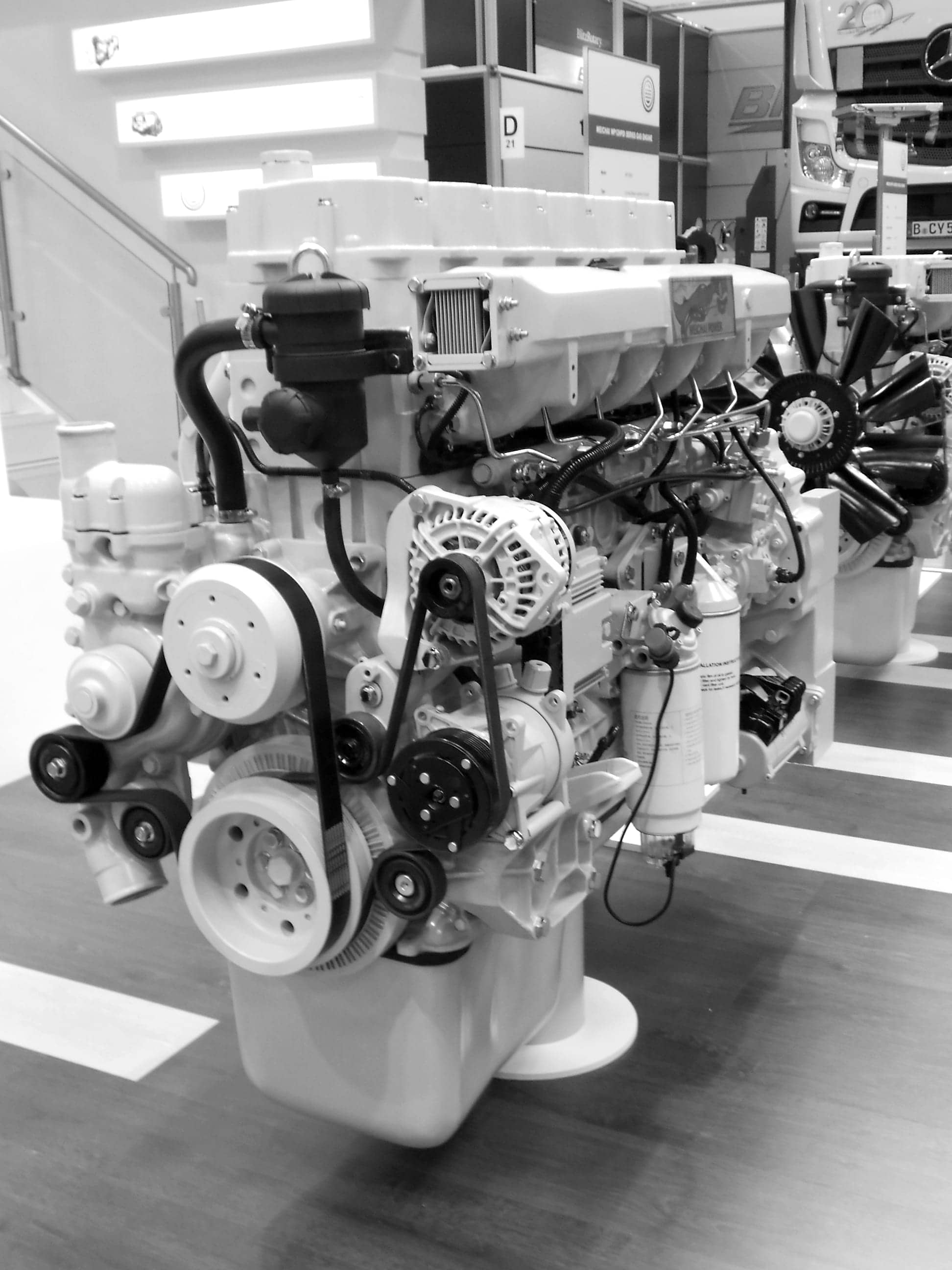

Genuine and OEM spare parts, overhauls and technical services for the marine and power-generation machinery that cannot stop.
+971 55 770 448502 / 15Brand statement
Built around the machinery that keeps marine and power-generation operations moving, whether it’s routine maintenance or an emergency repair.

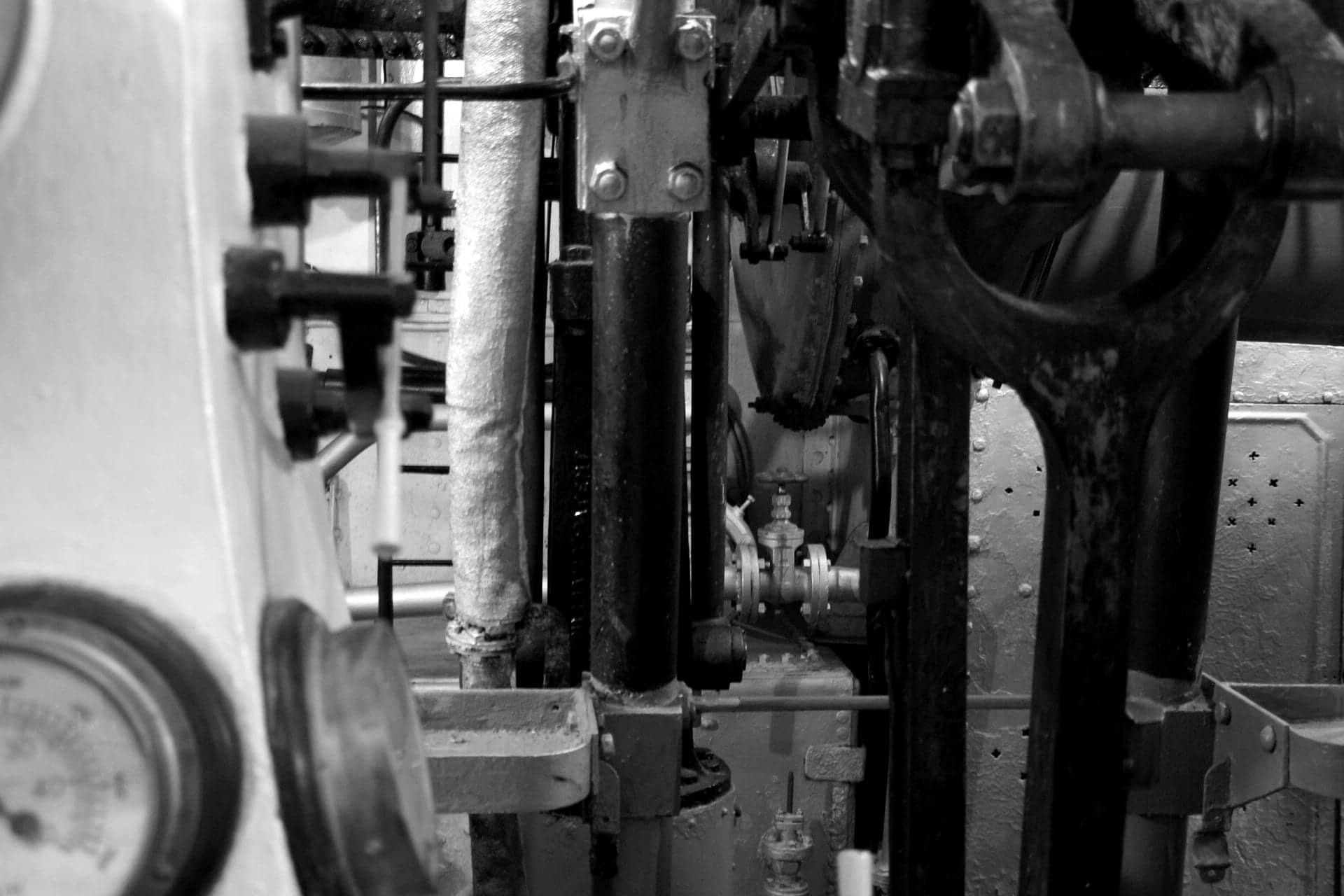
Fig. 03 — Marine operations
03 / 15About JRS
JRS Mechanical Equipment is based in Abu Dhabi, UAE, and specialises in sourcing and supplying genuine and OEM engine spare parts, with tailored solutions for the critical needs of marine and power-generation clients.
Whether it’s routine maintenance or emergency repairs, our experienced team makes sure every part and service meets the highest industry standards and keeps your operations running smoothly and efficiently.
04 / 15Core capabilities
From a single bearing shell to a complete overhaul: parts, repairs and technical services under one roof in Abu Dhabi.

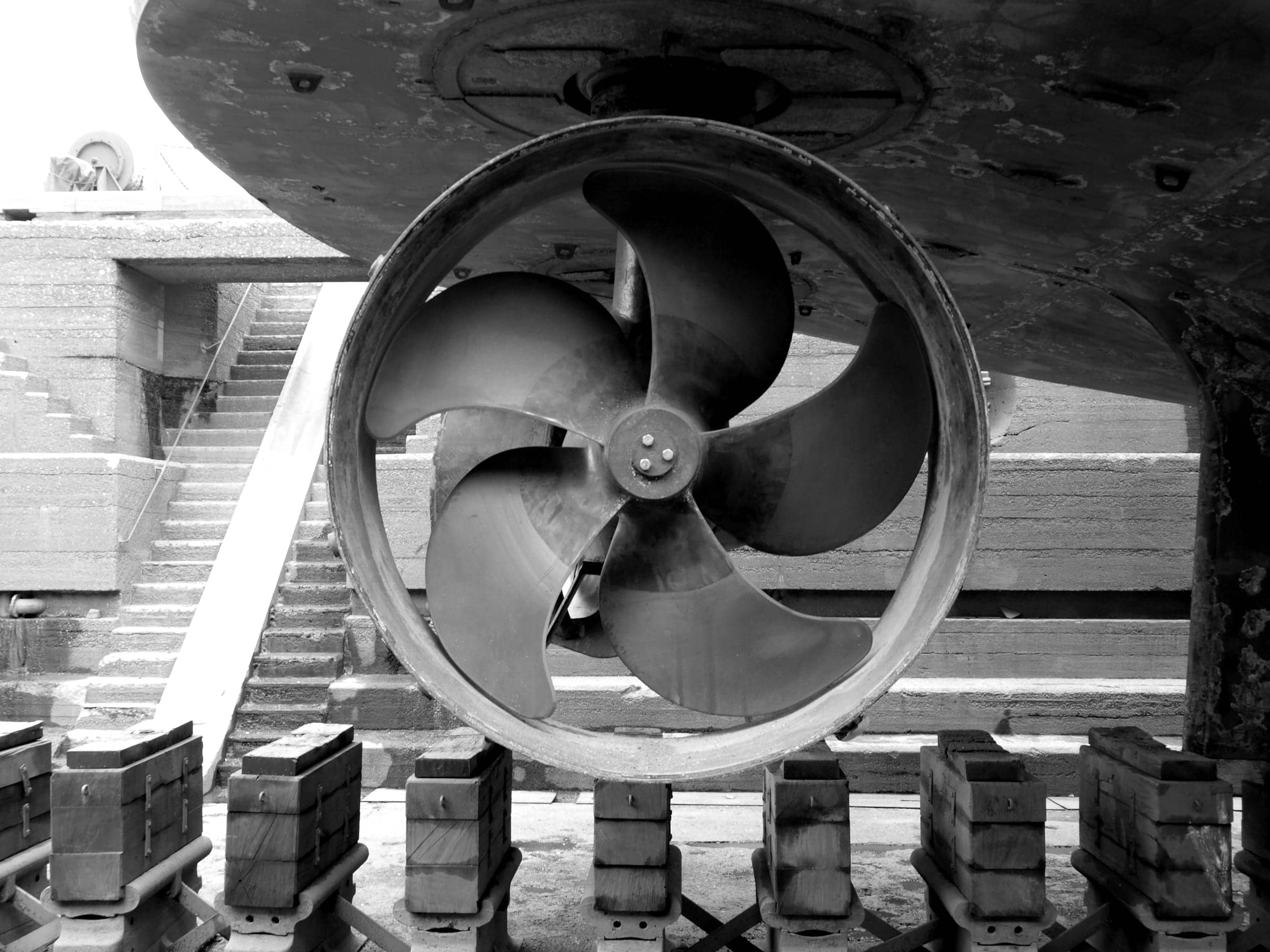
05 / 15Products
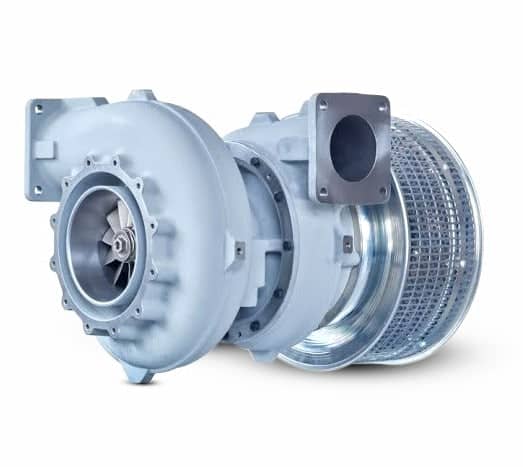
Pistons, rings, bearings, liners, fuel injection systems, cylinder heads, valve components, filters and separators, sourced from trusted manufacturers for industrial and marine applications.

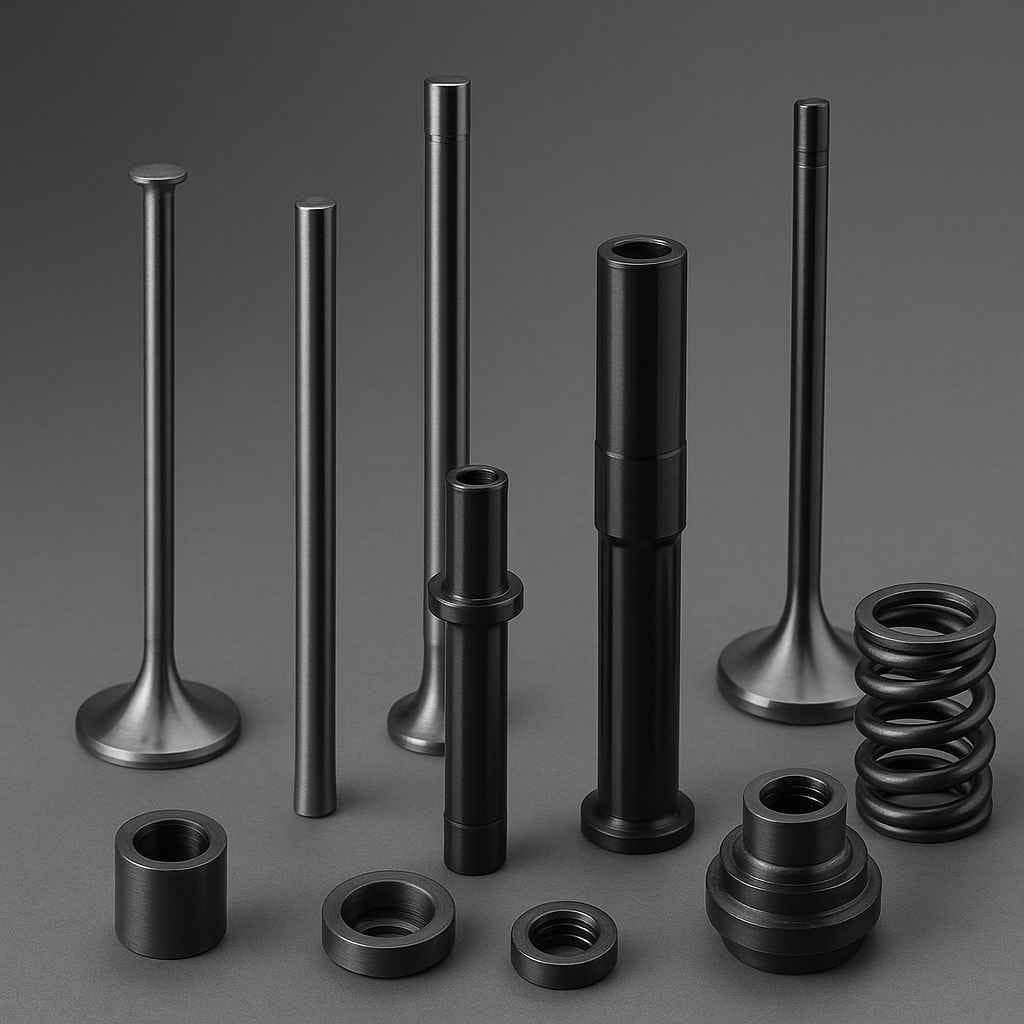
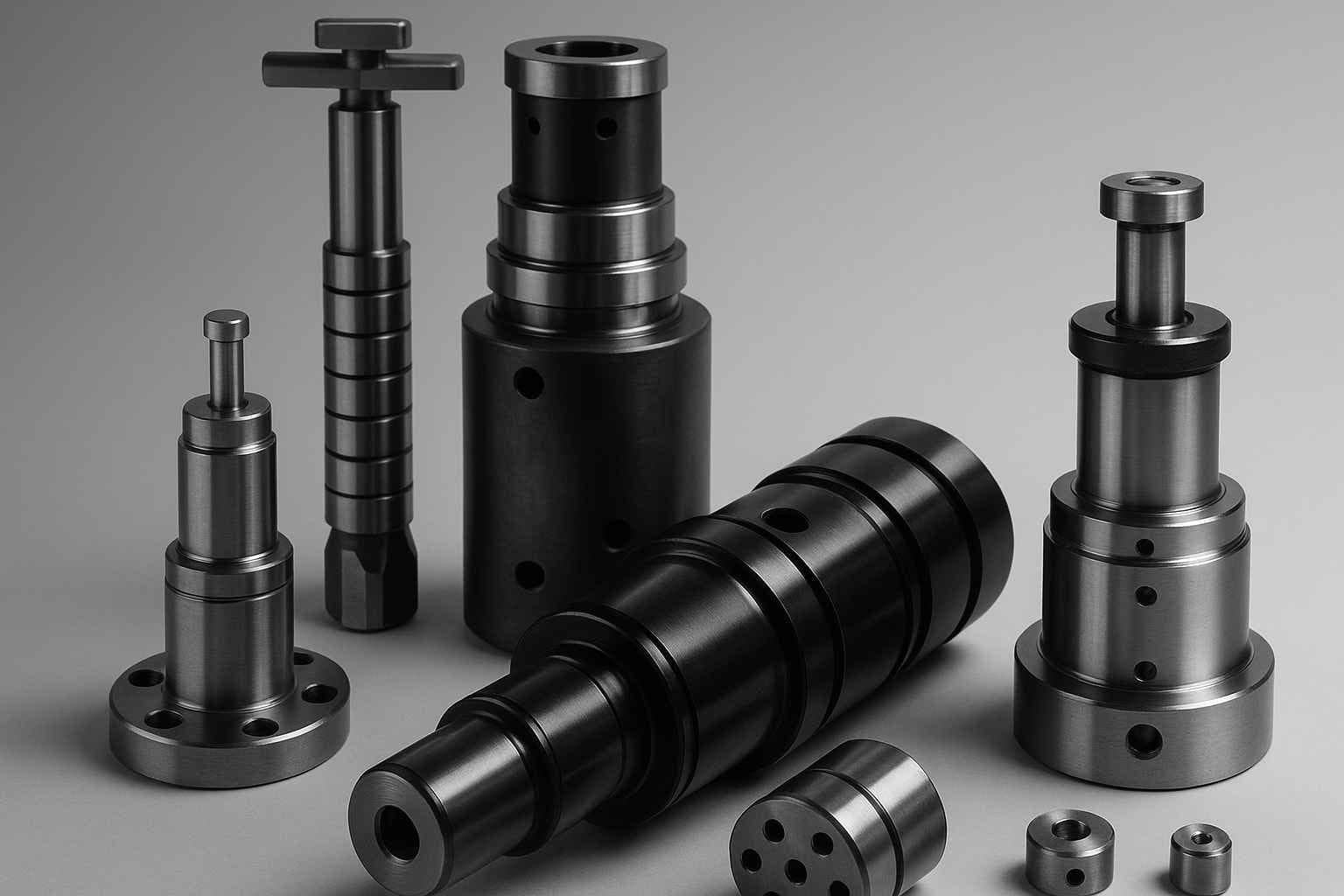
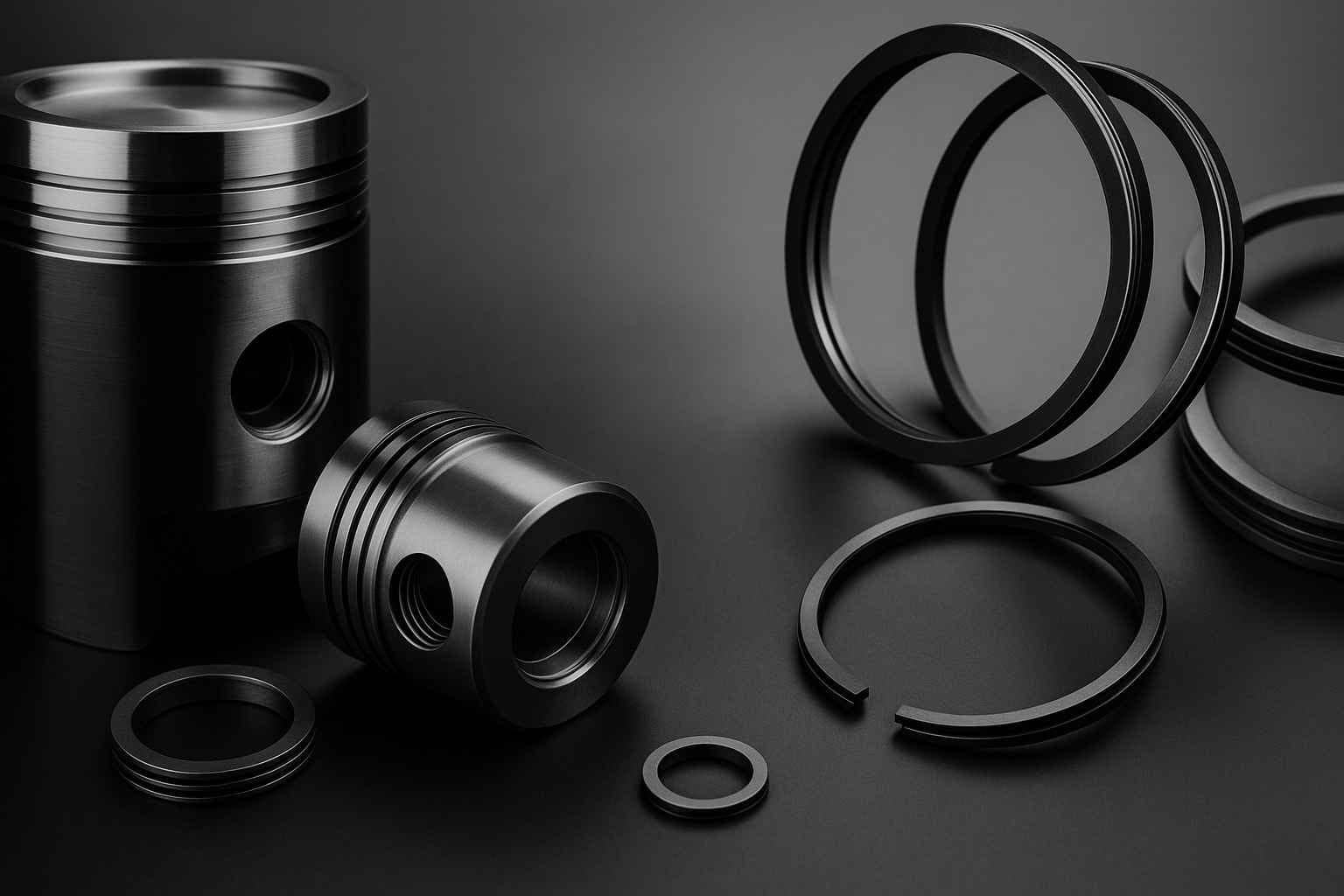
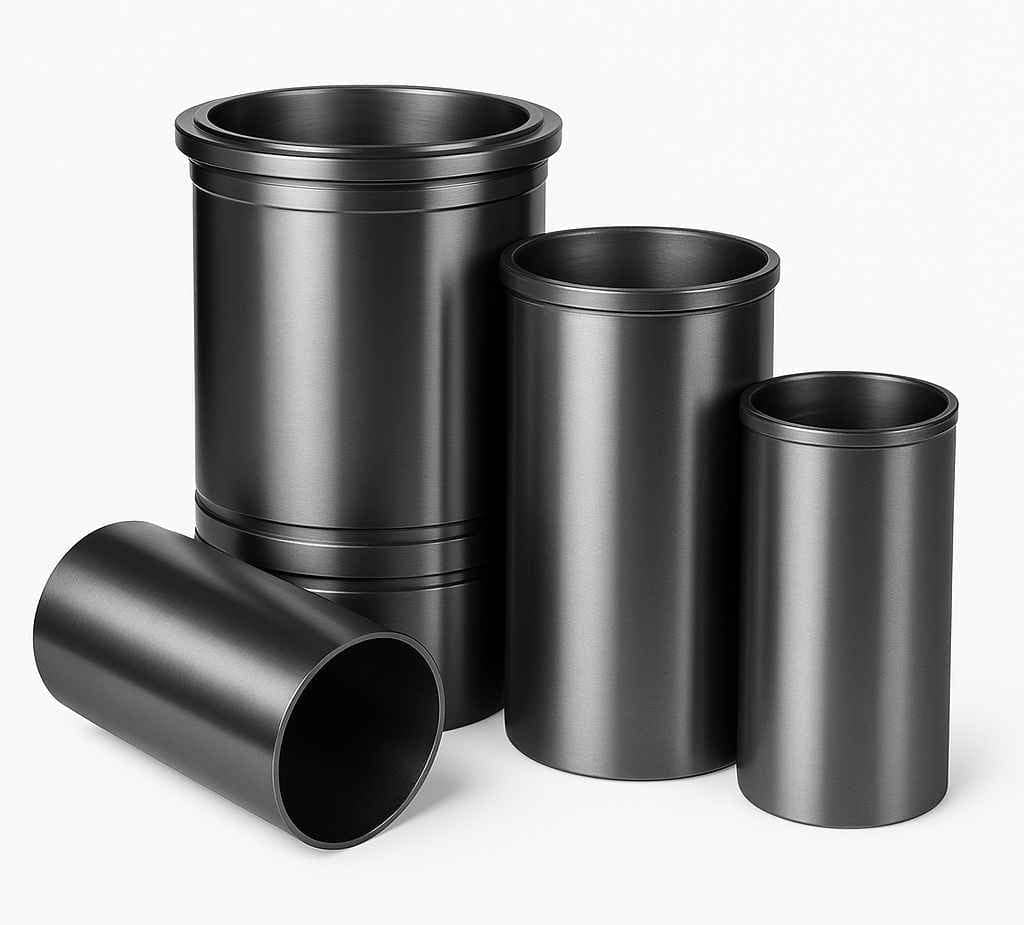

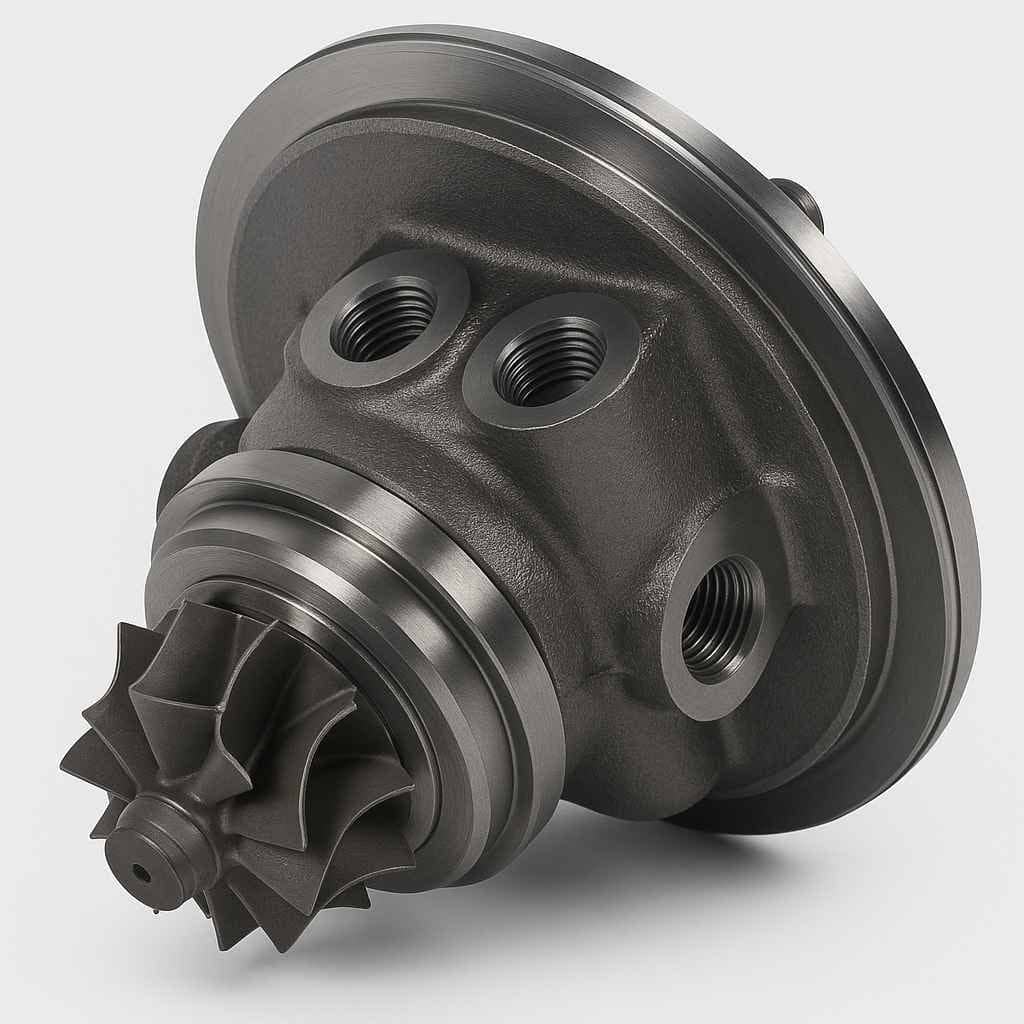
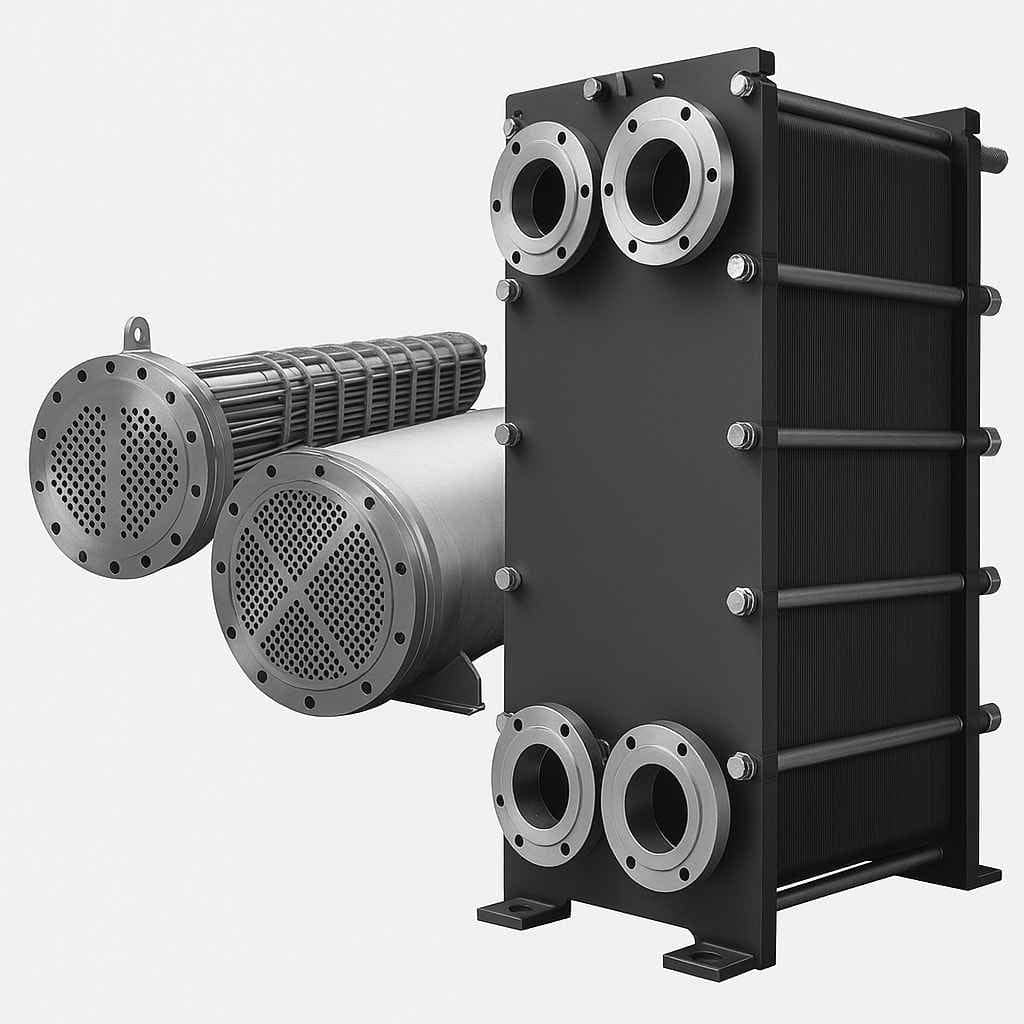
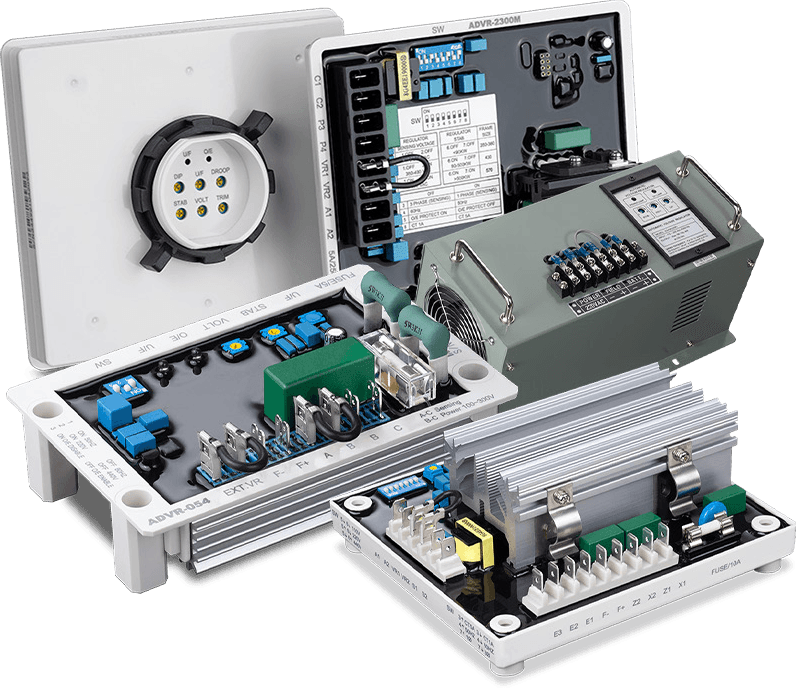

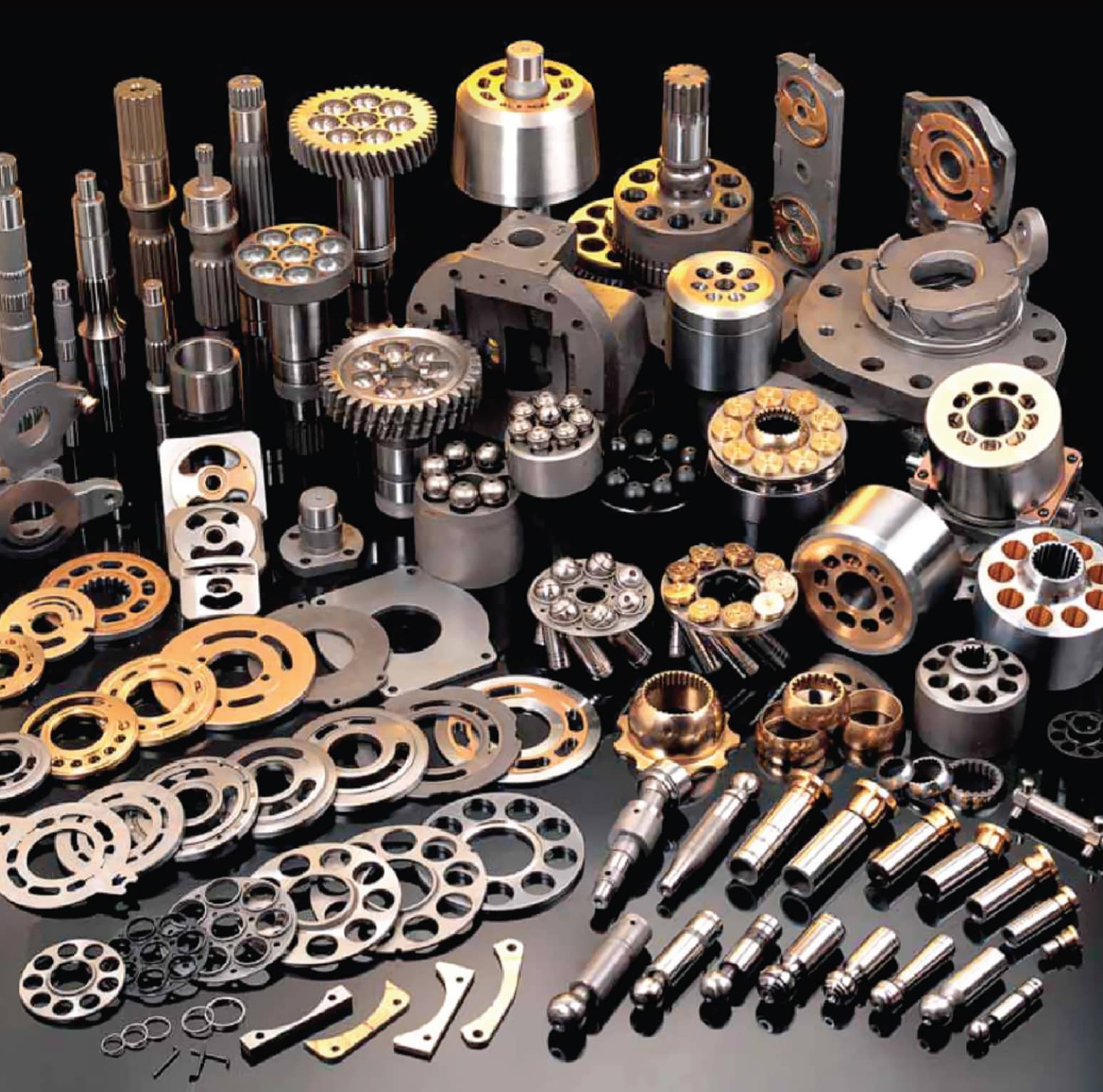
Need a part not listed here? Send the engine make, model and part number. JRS will confirm availability and specifications.
All products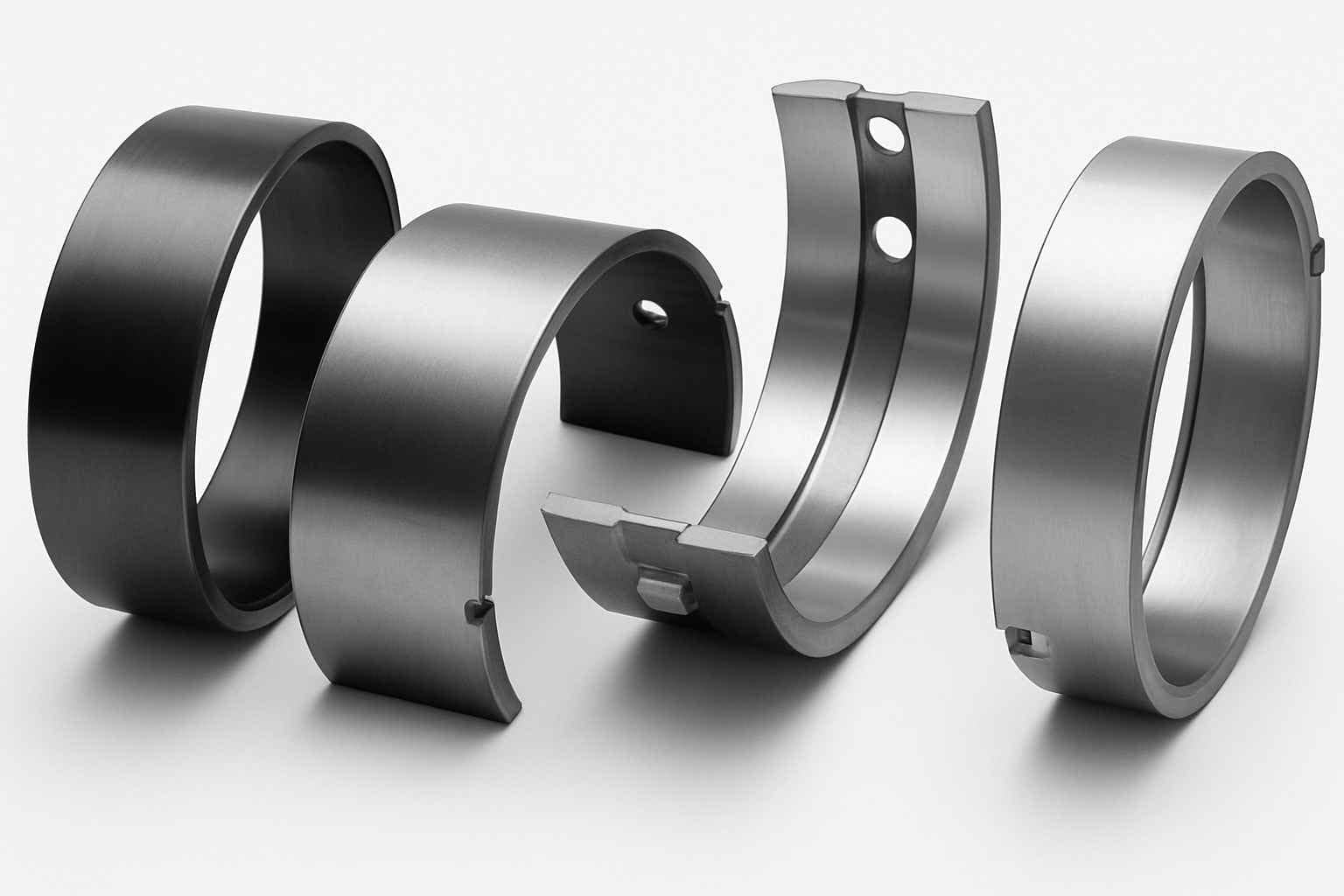
Manufactured to OEM specifications
06 / 15Featured product
JRS supplies marine engine bearings in Abu Dhabi, designed to withstand the rigorous demands of marine diesel engines, with superior durability, load capacity and smooth operation under extreme conditions.
07 / 15Turbochargers & cartridges
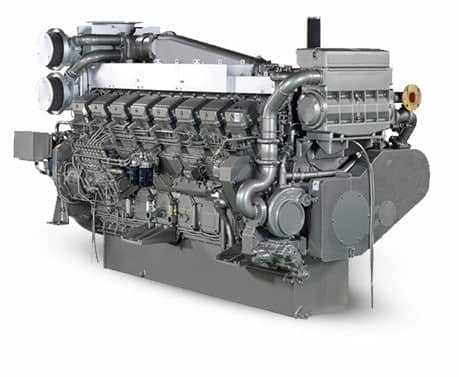
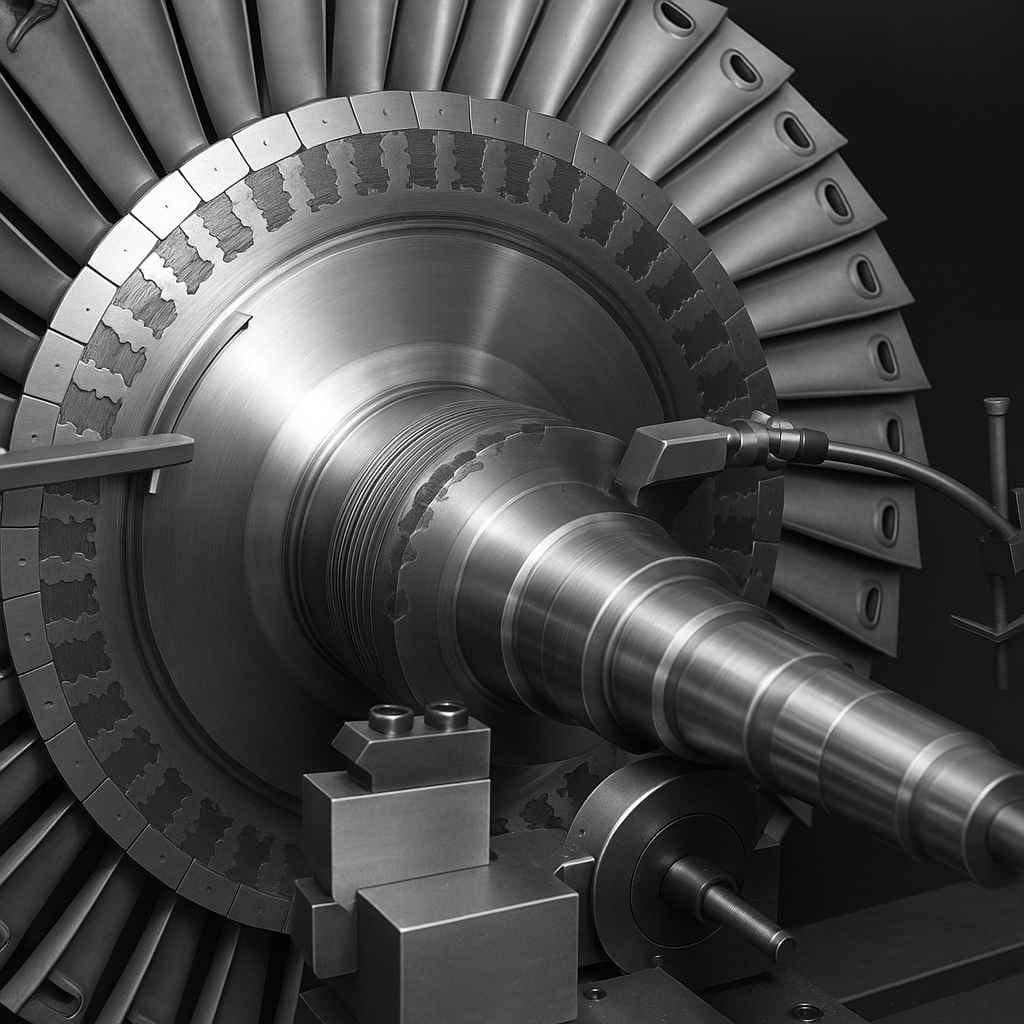
Marine engine turbochargers in Abu Dhabi: genuine and OEM spare parts for a wide range of marine turbochargers, plus a service centre equipped to overhaul all major turbocharger models with precision.
Fig. 07 — Compressor wheel · schematic
Rotor balancing
Thermal balancing
Spare parts compatible with all major marine turbocharger brands.
 ABB – IHI
 MAN
MAN Napier
 Mitsubishi
 KBB
KBBAll manufacturers' names, part numbers, symbols and descriptions are used for reference purposes only and do not imply that any product offered by JRS is the product of these manufacturers.
08 / 15Engine overhaul
Your engine is the heart of your work, whether it’s powering a ship across the seas or running vital power systems. If it slows down, your business slows down too.
JRS provides engine overhauling in Abu Dhabi and across the UAE, built on speed, accuracy and reliability. Skilled engineers and technicians deliver comprehensive overhauls with a focus on safety, precision and global responsiveness.
Overhaul capabilities
09 / 15Technical services
Eight specialist engine services, from turbocharger overhauls to governors and electrical instrumentation, delivered by skilled technicians with precise diagnostic tools.
 01
01Your engine is the heart of your work, whether it powers a ship across the seas or vital power systems. Our engine overhauling in Abu Dhabi and across the UAE focuses on speed, accuracy and reliability.
 02
02A skilled team experienced in repairing and refurbishing critical rotating equipment, with a service centre equipped for all major turbocharger models.
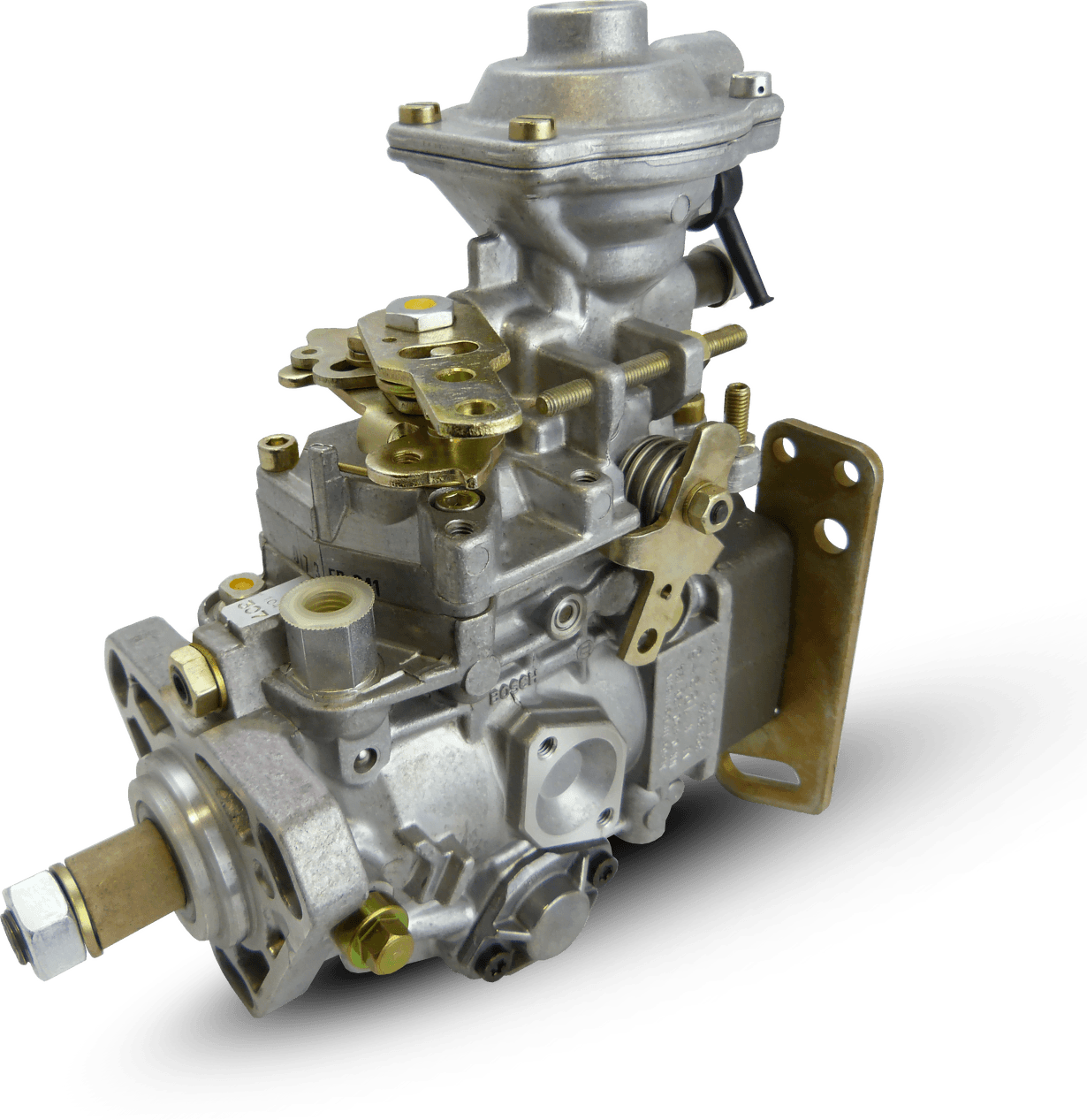 03
03Complete fuel pump overhaul: thorough inspection, dismantling, ultrasonic cleaning, replacement of worn parts, precision calibration and final testing.
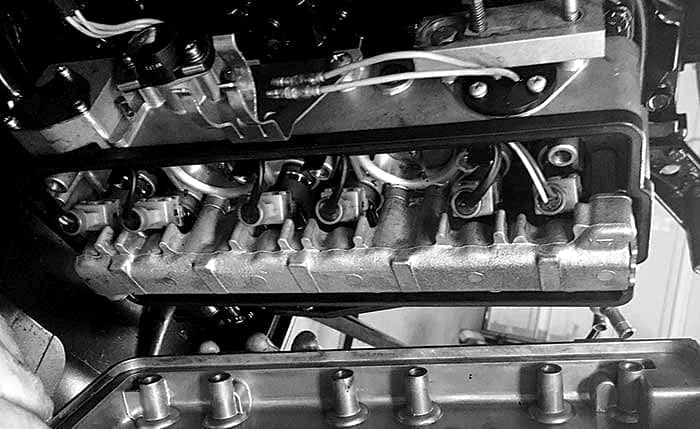 04
04Inspection, cleaning, calibration and repair to restore pumps and injectors to OEM standards, optimising spray patterns for precise fuel delivery.
 05
05Installation, maintenance, calibration, troubleshooting and repair of electrical systems, control panels, sensors, transmitters and instrumentation.
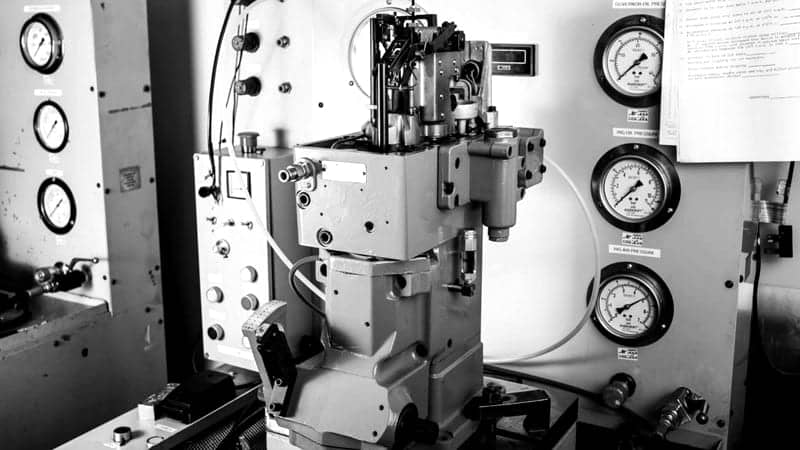 06
06Supply and service of governors and actuators from Woodward, Regulateurs Europa, Zexel, Yanmar and Heinzmann. Each unit is bench-tested before and after service.
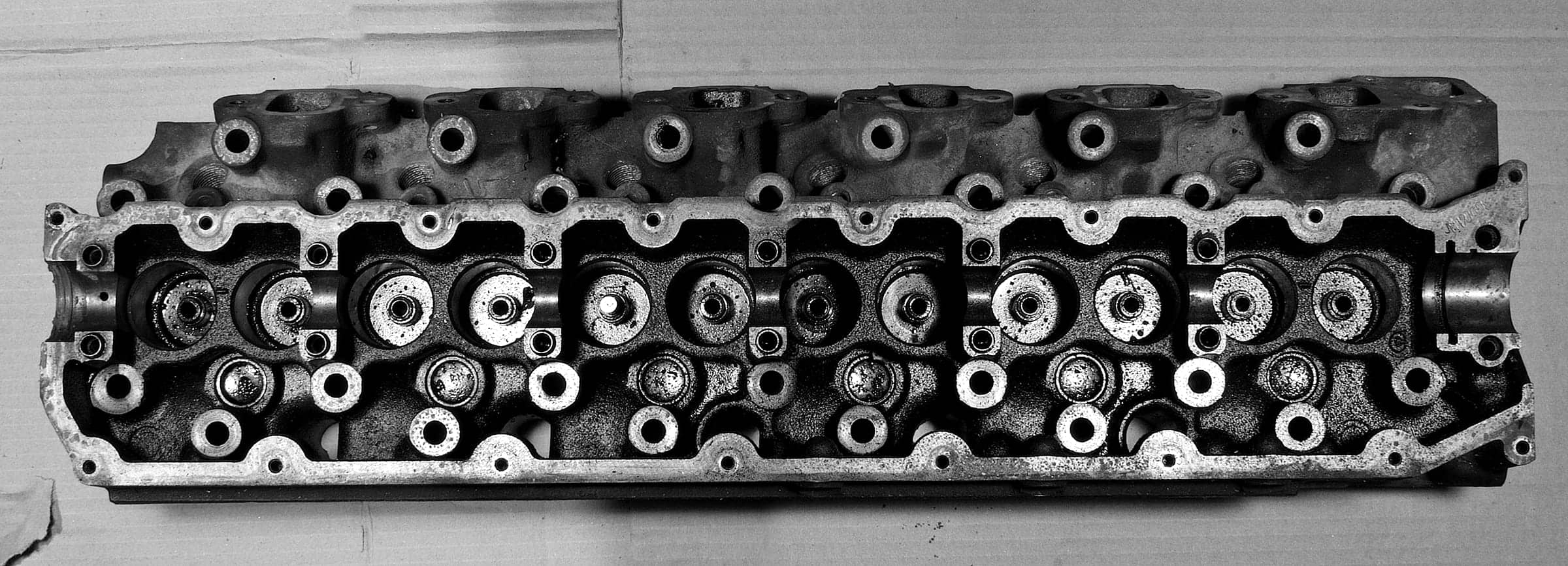 07
07Reconditioning that begins with a detailed examination of the cause of damage, for exhaust valve spindles, piston crowns, cylinder heads and turbocharger casings.
 08
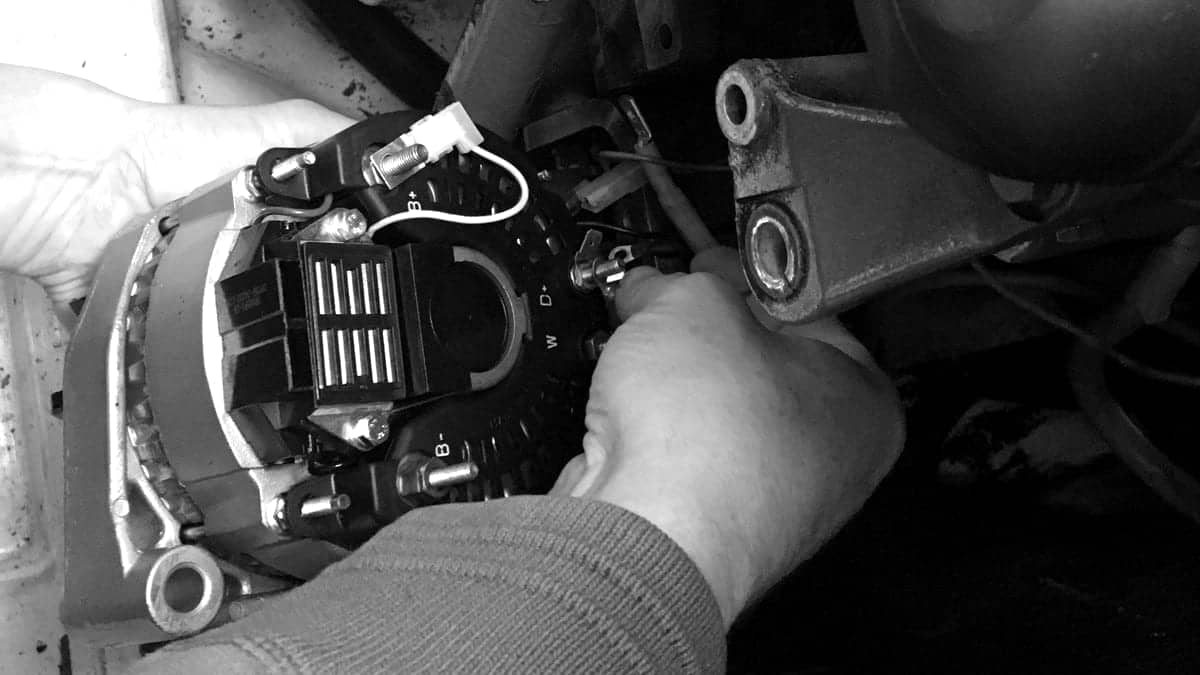
08Inspection, cleaning, testing and overhaul of starter motors and alternators for dependable engine starting and consistent charging.
10 / 15Industries

Our core sector: spare parts, technical solutions and dependable maintenance for vessels, from marine engine overhauls to turbocharger support.
Explore Marine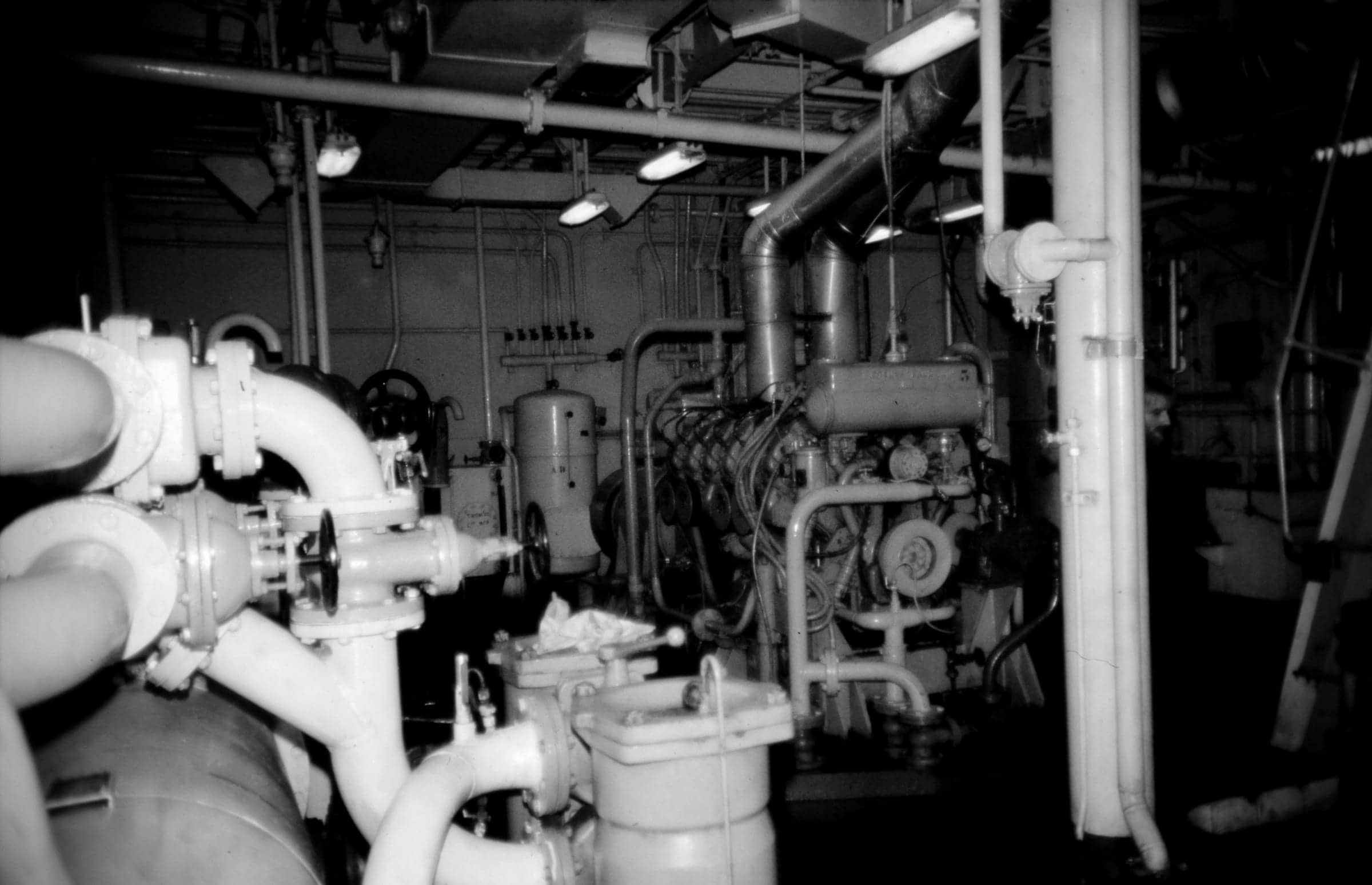
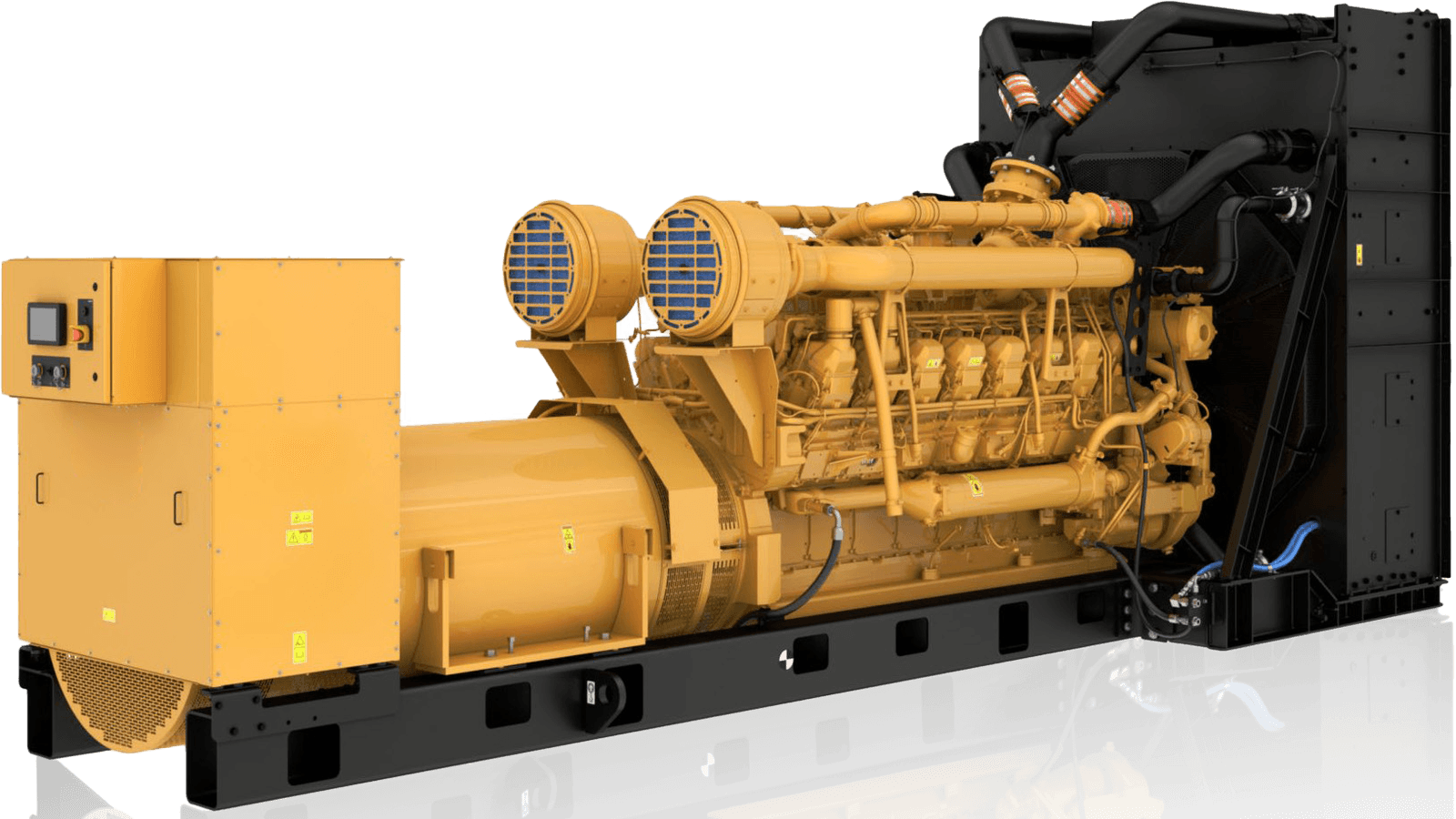
Engine overhauls, turbocharger overhauls and fuel injection work for power-plant engines, plus AVRs and genset controllers.
Explore Power Generation
Engine spare parts and repair solutions for industrial generators and machinery where downtime has a direct cost.
Explore Industrial
OEM engine spare parts for the offshore sector, supplied from Abu Dhabi for scheduled maintenance and emergency breakdowns.
Explore Offshore11 / 15Supported companies
Replacement spare parts and reconditioning support for the main marine, industrial and power-generation engine makes.











Reconditioning support also covers
All manufacturers' names, part numbers, symbols and descriptions are used for reference purposes only and do not imply that any product offered by JRS is the product of these manufacturers.
12 / 15Products we serve
A comprehensive range of engine spare parts for all major marine engines, sourced from trusted OEMs and leading manufacturers for reliable performance and long service life in demanding marine environments.
 01PistonsView range
 02Fuel injection systemsView range
 03Piston ringsView range
 04Piston pinsView range
 05BearingsView range
 06Cylinder headsView range
 07Filter elementsView range
 08SeparatorsAsk for availability
 09Valve stemsView range
 10Valve rotatorsView range
 11LinersView range
13 / 15Accredited & certified
Management systems certified to international standards, and recognised under the UAE In-Country Value programme.
 ISO 9001:2015Quality management systems
 ISO 14001:2015Environmental management systems
 ISO 45001:2018Occupational health & safety
 ICVIn-Country Value programme
14 / 15Purpose
Our mission
To deliver high-quality marine and industrial spare parts along with reliable repair solutions that minimize downtime, enhance performance, and build long-term trust with our clients.We are dedicated to offering responsive support, technical expertise, and cost-effective services that meet the evolving needs of the maritime and industrial sectors.
Our vision
To become the region's leading provider of marine and industrial spares and services, recognized for our commitment to quality, innovation, and customer satisfaction.We aim to set new benchmarks in the industry through continuous improvement and lasting partnerships.
15 / 15Request a quote
Quotation request
Send part numbers or a description, and the JRS team will confirm availability and specifications.